How to Keep Your Water Treatment Stocked, Stored and Protected All Winter
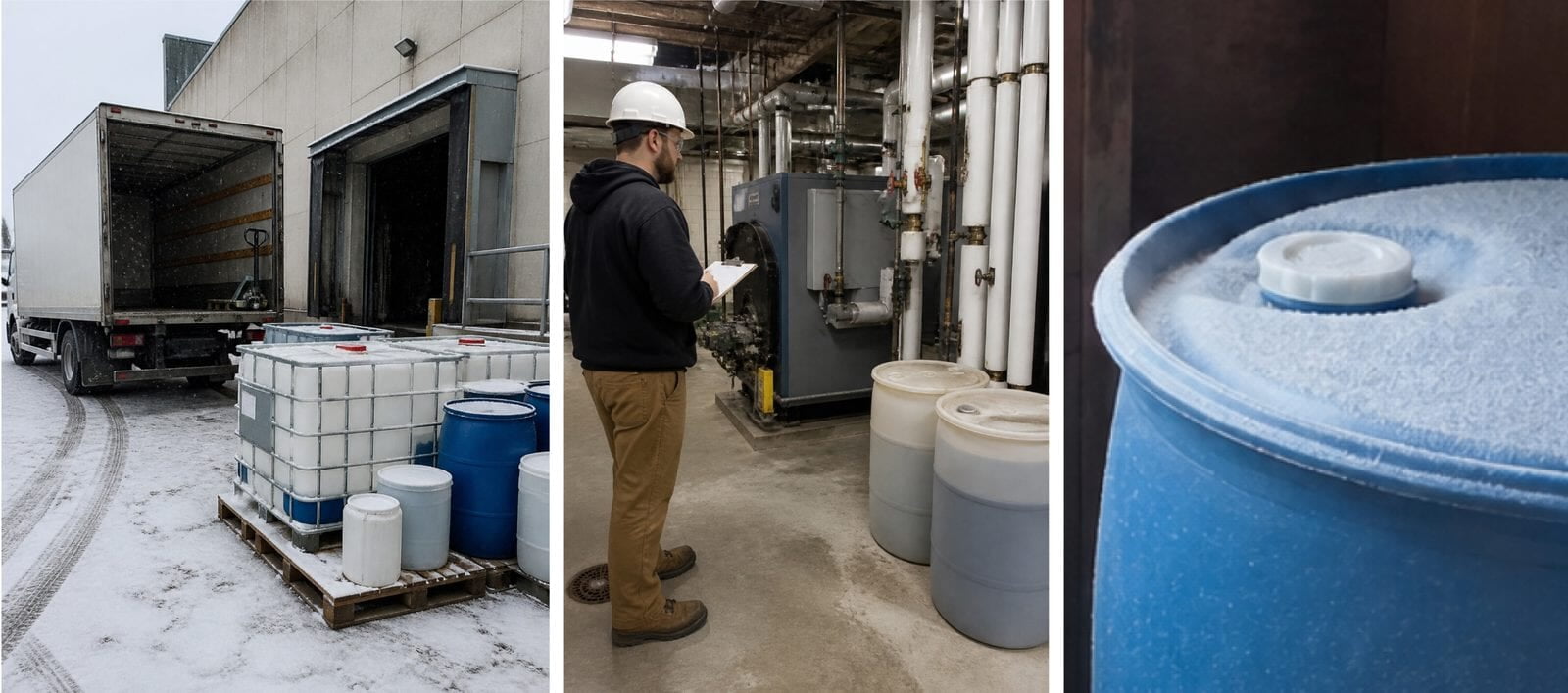
Every year, winter shows up right on schedule. Chemical shipments don't always keep up. From mid-November through March, extreme weather may slow or disrupt the trucks that carry water treatment chemicals, and that can leave boilers, cooling towers and closed loops short on the treatment that protects them at the exact moment they're working hardest.
The good news is that a little planning in November keeps a cold snap from turning into downtime, frozen product or an unbudgeted repair in January. Here's what cold weather really does to a water treatment plan, and how to stay ahead of it.
How Cold Weather Affects Your Water Treatment Plan
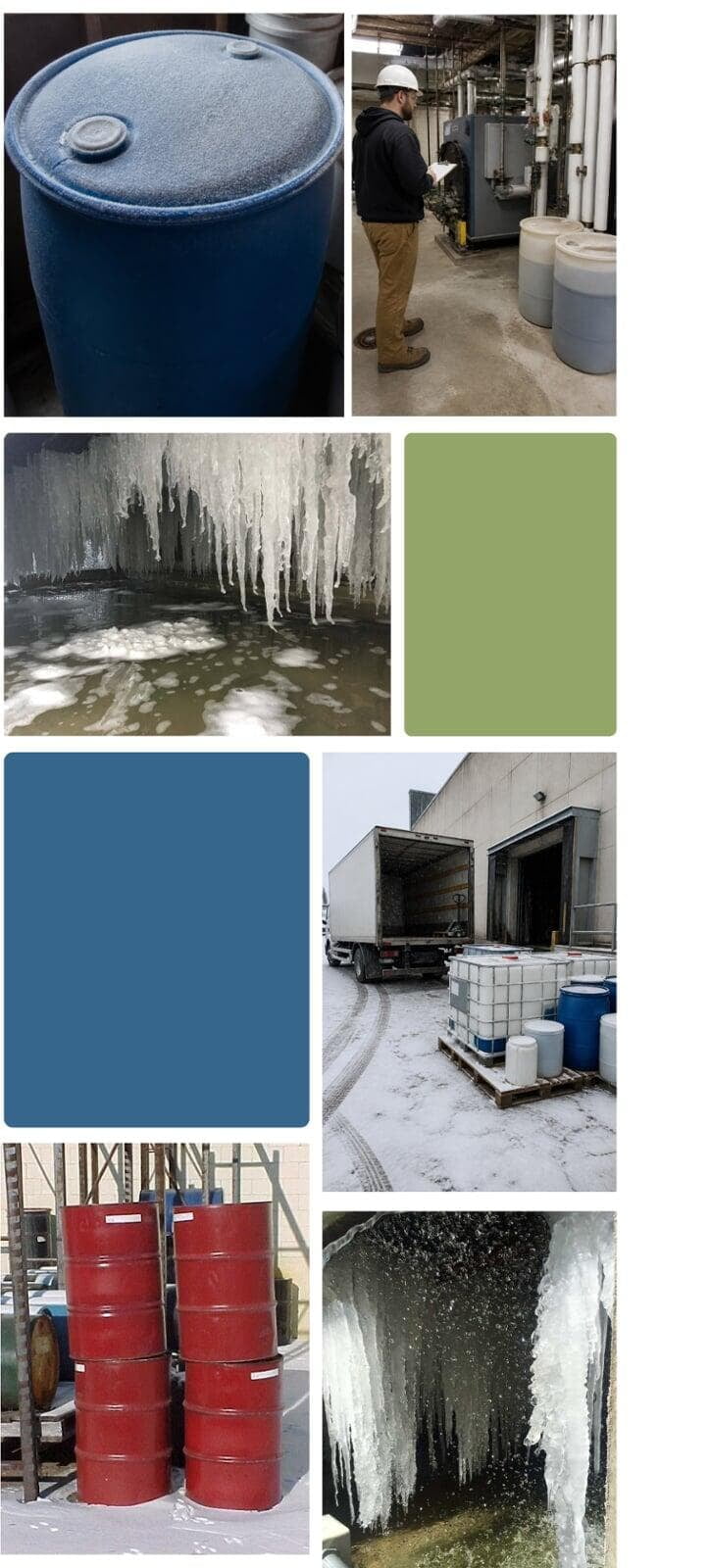
Shipping delays. Cold weather affects everything that moves freight. Trucks fail to start, terminals back up and routes close. Most freight isn't heated, so carriers often hold freeze-sensitive products on a dock or in a trailer rather than risk them in transit. A reorder that arrives in a few days in July can take a week or more during a cold snap, and your systems don't stop running while you wait. Product can also sit on a cold dock before it ever reaches you, which is a problem for anything that can freeze.
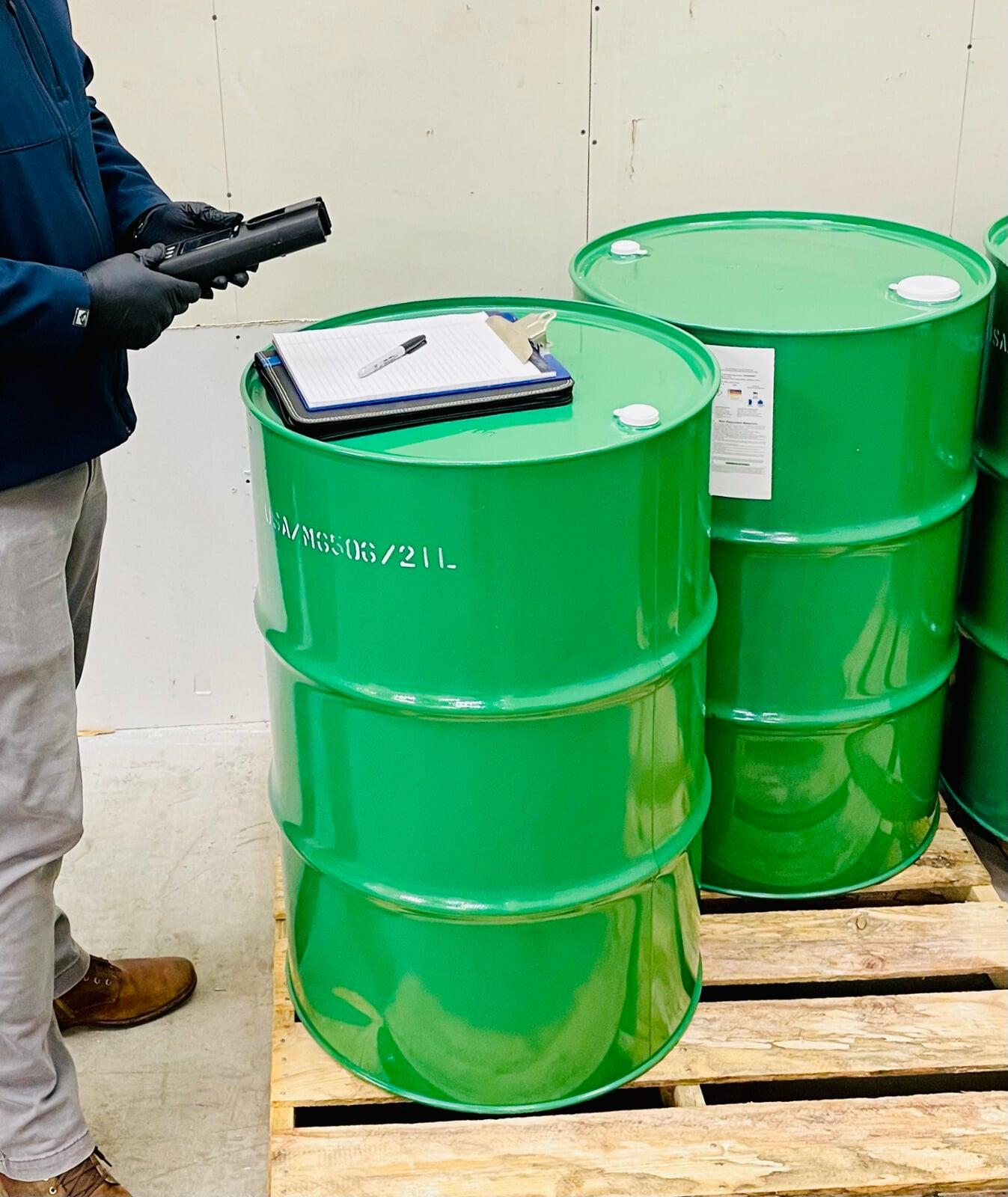
Frozen chemical. Many water treatment chemicals are water-based, and water freezes. A frozen drum can't be fed, freezing and thawing can split or swell containers, and some products don't perform the same after a freeze. The most common causes are simple: a delivery left on the dock, drums stored in a garage or outbuilding, or a chemical room that loses heat over a cold weekend. The storage temperature for each product is on its label and SDS, and it's worth checking before the first deep freeze.
Why winter is hard on your equipment. Cold weather asks more of your systems. Boilers carry their heaviest load, closed loops depend on the right glycol mix for freeze protection, and cooling towers that run through winter can ice up. When treatment runs low or feed stops, scale and corrosion move in quickly, and the damage often shows up later as a failed component or an emergency service call. Loops are especially easy to put at risk: topping one off with plain water dilutes the glycol, raises the temperature at which it can freeze and thins out the inhibitors that protect the metal. A loop that was protected in October can be at risk by February.
Winter Projects: What Contractors Need to Plan For
Start-ups run on a schedule.
Shipping holds don't.
For mechanical contractors, a winter start-up depends on product arriving when the loop is ready to fill. A new system can need a large volume of glycol at once, and a cold-weather shipping hold can leave a crew waiting on a truck while the schedule slips.
Order early and plan the delivery.
Lock in the right inhibited glycol for the loop early, including food-safe propylene glycol where it matters, and share your project dates so delivery is planned around the job instead of the weather.
Stage it smart on site.
Glycol can sit in the cold, but water-based start-up chemicals can't. Plan indoor, above-freezing storage on site for anything that can freeze, and keep it close to where it will be used.
Heated transport.
If a project needs heated transport, Jaytech will work with your preferred carrier to arrange it.
Solid Chemistry: A Simpler Way to Stock Up
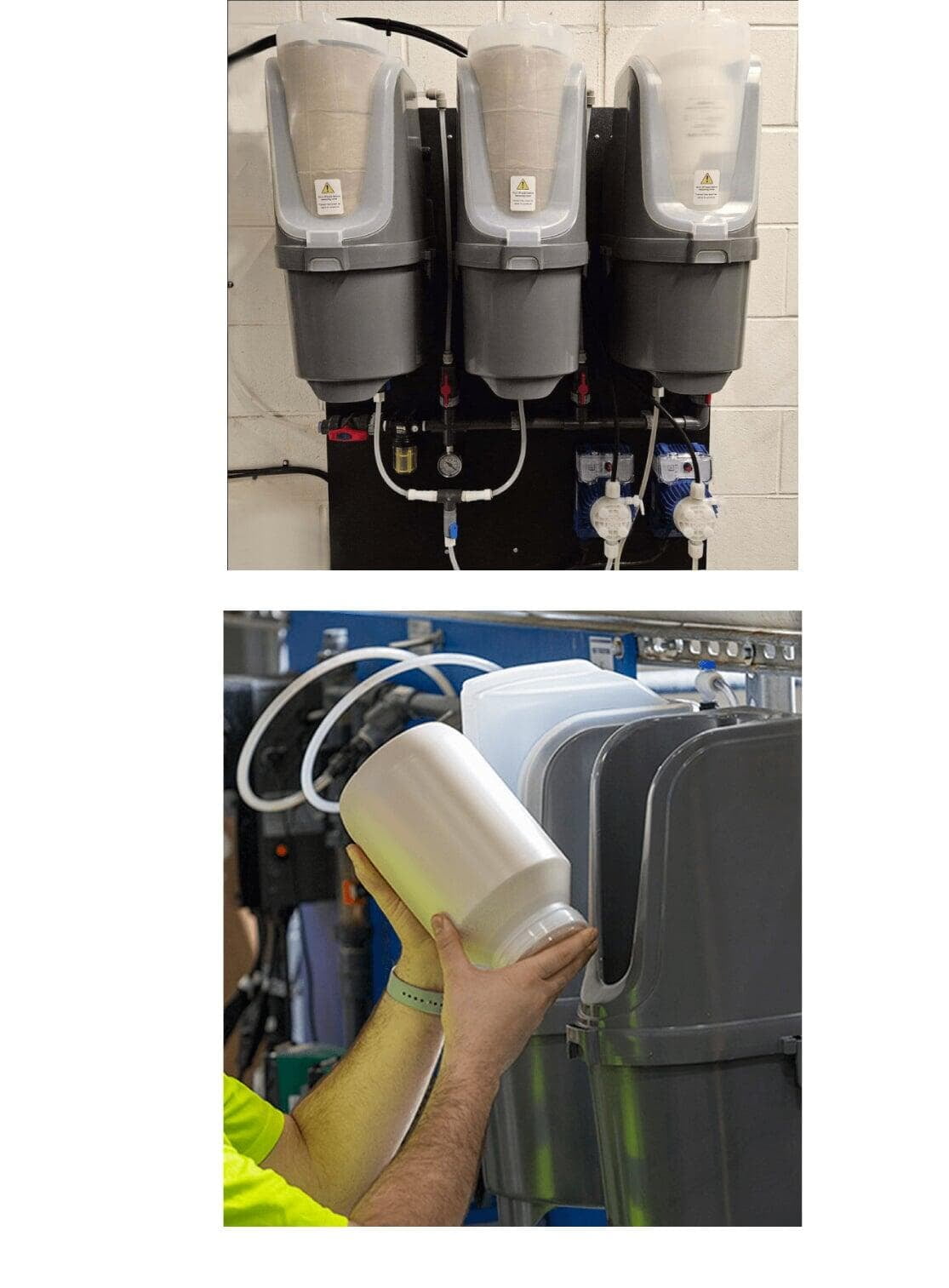
Jaytech offers solid options for boiler and cooling tower treatment, alongside liquid and ultra-concentrate products. For winter, solids are safe option, and worth a conversation with your Jaytech expert.
More treatment per delivery. Solid products pack more treatment into less space and weight, so it's easier to keep a full winter supply on hand without filling a storage room.
Less exposure to freezing in storage. Unlike water-based liquids, solid products aren't at risk of freezing in the drum, which takes one winter worry off the list.
Simple handling and feed. Solids are fed through a solid feeder designed for the product, which can simplify handling compared with drums and transfer pumps.
Whether solids are the right fit depends on your system and your current program. Your Jaytech expert can tell you where they make sense.
A Worry-Free Winter: Best Practices and How Your Jaytech Expert Helps
A few habits go a long way before the cold stretch:
➜ Stock up early: keep enough treatment on hand to ride out a weather delay.
➜ Store it right: keep water-based products indoors, above freezing and close to the feed point.
➜ Set a winter reorder point: base it on what you actually use each month and how long a delay could last.
➜ Top off loops with glycol, not water: and check freeze protection before the coldest weeks.
➜ Plan deliveries: order ahead of holidays and forecasted cold snaps.
What your Jaytech expert brings. A winter readiness review is a short walk-through of your system. Your expert looks at what you have on hand and what you use, where each product is stored and how cold it gets, glycol levels and freeze protection in your loops, and whether your feed equipment is ready for the season. You leave with a winter order, a reorder point and a delivery plan.
With chemistry, equipment and controls all in house, your Jaytech expert can solve what the walk-through finds. One partner, one plan, one less thing to worry about this winter.